Brighten Your Home: The Ultimate Guide to Choosing the Perfect Rooflight
In metropolitan areas, optimizing natural light can considerably affect the ambiance of a space. Skylights deliver a range of benefits, from boosting mood to increasing property value. This article examines important factors to consider when selecting the ideal rooflight. It examines designs, materials, and positioning strategies that can revolutionize indoor environments. Understanding these elements is essential for making informed choices. However, there is more to discover; key insights on installation and maintenance await.
Understanding the Benefits of Rooflights
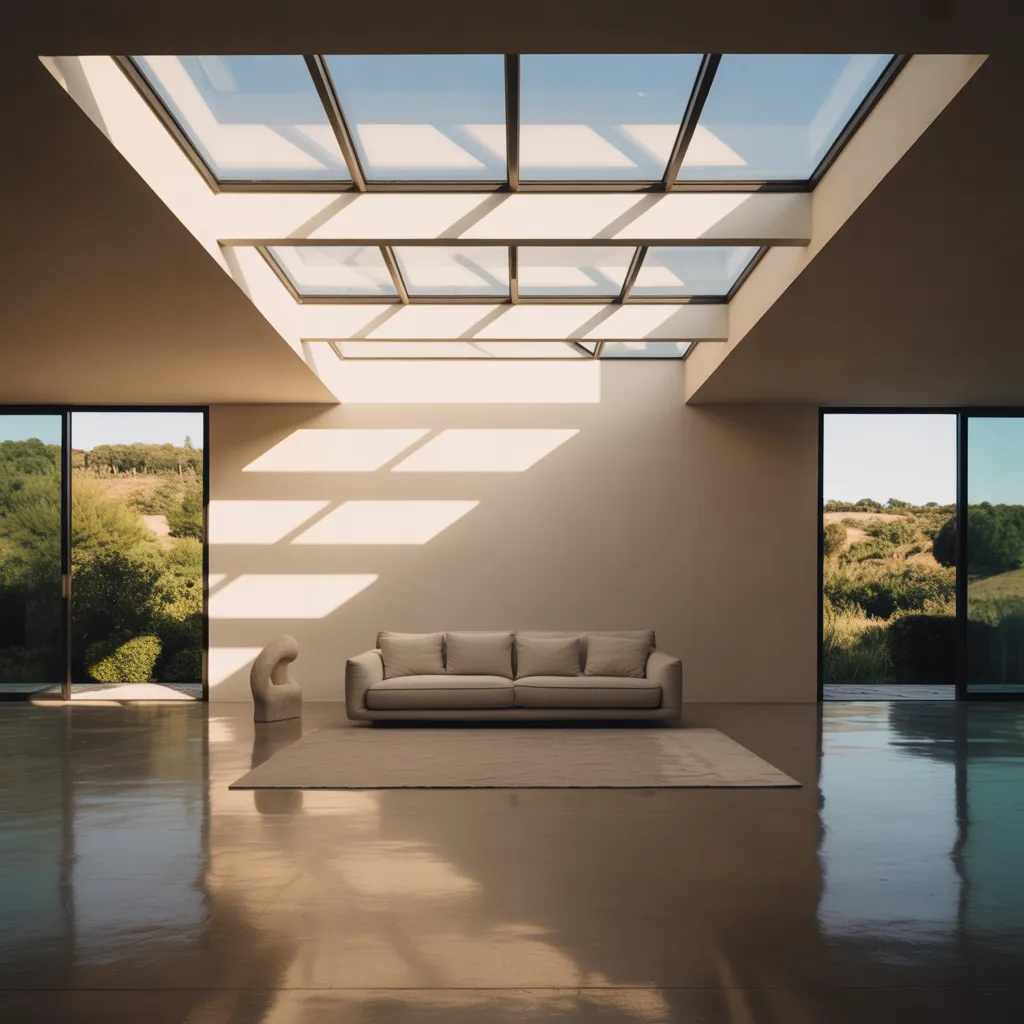
Natural light serves as a transformative factor in every space, and rooflights provide an effective way to capture it. By allowing sunlight to flood into interiors, rooflights improve the ambience, fostering a sense of openness and spaciousness. This flow of natural light can considerably enhance mood and productivity, rendering spaces more inviting.
In addition, rooflights enhance energy efficiency by minimizing the dependence on artificial lighting during daylight hours. This not only reduces electricity costs but also reduces environmental impact. Correctly fitted rooflights can optimise ventilation, facilitating better air circulation and elevating indoor air quality.
Additionally, they can function as design focal points, adding architectural interest and value to a property. When all is considered, the benefits of rooflights reach further than mere lighting purposes; they elevate the overall quality of living and foster a more sustainable and healthier environment.
Rooflight Types and Designs
When selecting the perfect rooflight, it is essential to consider the range of styles and designs on offer, as each option can significantly impact both the look and function. Popular options include fixed rooflight designs, which provide a simple, contemporary look, and openable rooflights that enable fresh air circulation in addition to natural illumination. Larger, angled skylights, can establish a bold and eye-catching feature in any room.
Additionally, lantern rooflights feature a multifaceted design that elevates architectural interest while amplifying sunlight. For classic homes, vaulted or curved rooflights can match classic styles, offering a combination of practicality and elegance.
Furthermore, modern designs often incorporate frameless options, establishing a fluid transition between interior and exterior areas. All styles provide their own set of advantages, making it essential to choose one that aligns with the overall design vision while meeting specific lighting needs.
Selecting Sturdy and Attractive Options for Your Roof Light
Picking the correct components for a rooflight influences more than just its longevity but also its aesthetic charm. Widely used materials consist of glass, polycarbonate, and acrylic, all providing individual benefits. Superior reinforced or treated glass is preferred for its durability and transparency, allowing natural light to flood in while providing superior insulation. Polycarbonate, on the other hand, is durable yet lightweight, making it ideal for areas prone to harsh weather conditions. Its resistance to UV rays keeps it clear as time passes, boosting both its visual appeal and resilience. Acrylic is yet another alternative, known for its cost-effectiveness and adaptability, though it is more susceptible to scratches compared to glass. When considering materials, consideration should also be given to frame options, such as aluminum or wood, which can add to the overall look while preserving the structural framework. At the end of the day, the ideal selection of materials will elevate both the performance and aesthetic appeal of the rooflight.
How to Fit Your Rooflight with Ease
Mounting a rooflight requires thorough planning and execution to guarantee a flawless incorporation within the current framework. Initially, it is essential to assess the condition of the roof and establish that it can support the added structure. Precise measurements of the rooflight and the opening are key to preventing any inconsistencies.
Following this, trimming the roof framework must be performed with precision, adhering to manufacturer specifications. Homeowners are encouraged to apply protective coverings to stop debris from entering the interior.
When the opening is prepared, the rooflight structure should be installed and fastened, confirming it is straight and sealed. Adequate sealing with flashing and appropriate materials will prevent leaks.
Finally, internal finishing work, like plasterwork and trim, ought to be implemented to achieve a refined appearance. Completing these stages ensures that the rooflight not only enhances light but also maintains structural integrity and aesthetic appeal.
Where Should You Position Your Rooflight for Optimal Sunlight?
How does one establish the perfect location for a rooflight to optimise sun exposure? The direction the building faces plays a significant role; rooflights that face south tend to absorb the most sunlight during all daylight hours. By comparison, east-facing lights will capture the morning sunlight, while west-facing options make the most of afternoon rays.
The angle of the roofline influences light penetration; a steeper pitch could facilitate more light to enter, especially during winter months when the sun is closer to the horizon. Moreover, taking into account adjacent structures and foliage is essential, as they may cast shadows that reduce sunlight penetration.
Carefully positioning rooflights in key areas like kitchens or living rooms enhances natural light, creating a more welcoming environment. Ultimately, evaluating these factors will enable one to choose the perfect location to capture the greatest amount of sunlight, guaranteeing a light-filled and cheerful space.
Maintaining Your Rooflight: Care Tips
Upkeeping a rooflight is crucial for ensuring its long-term effectiveness. Creating a consistent cleaning routine guards against dirt buildup over time, while regular checks for deterioration make certain concerns are handled in a timely manner. By prioritizing these maintenance habits, residents can enjoy the rewards of their rooflight for the foreseeable future.
Routine Cleaning Schedule
While rooflights improve natural light and energy efficiency, a regular cleaning schedule is essential to maintain their clarity and performance. Dust, debris, and environmental pollutants can accumulate, hindering light transmission and compromising aesthetic appeal. It is advisable to clean rooflights at least twice a year, or more often in locations with elevated pollen or pollution levels. Employing a soft cloth and a mild, non-abrasive solution keeps the surface free from scratches. For hard-to-reach areas, a squeegee or extension pole may be necessary. Additionally, checking for signs of dirt buildup after storms or heavy winds can help in timely maintenance. Routine cleaning not only safeguards visibility but also enhances the longevity of the rooflight, securing peak performance.
Examine for Damage
Standard cleaning is merely one element of rooflight care; examining for damage is equally critical. Property owners should carry out regular inspections to detect potential problems that could affect the rooflight's condition. This encompasses examining for cracks, leaks, or any evidence of wear along the seals. Additionally, it is vital to examine the frame and surrounding structures for rust, rot, or other forms of deterioration. Harsh weather conditions, especially storms, can worsen damage, making prompt inspections essential. If any issues are detected, addressing them promptly can prevent more extensive repairs and maintain the rooflight's effectiveness. Consistent inspections not only improve the durability of the rooflight but also secure the best possible natural light and ventilation in the space.
Incorporating Rooflights Into Your Home Design
Adding rooflights to home architecture can significantly improve both aesthetics and functionality. By permitting natural light to flood interiors, rooflights can create a sense of openness, making rooms seem more expansive and appealing. Strategically placed rooflights can also boost energy savings by reducing reliance on artificial lighting during the day.
When integrating rooflights, take into account the view details design style of the home. Sleek or minimalist properties may benefit from simple, modern designs, while period properties might need more elaborate installations. Positioning is key; aligning rooflights with key living areas or corridors enhances their effectiveness.
Moreover, integrating rooflights with shading solutions, such as shutters or blinds, gives homeowners the ability to regulate light and ensure privacy. This careful combination not only elevates the visual impact but also promotes a comfortable and energy-efficient living space. Ultimately, rooflights act as an impressive design feature that perfectly balances form and function.
Popular Questions We Receive
What Are the Energy Efficiency Benefits of Rooflights?
Roof windows boost overall efficiency by maximizing natural light, decreasing dependence on artificial light sources, and enhancing thermal insulation. This leads to lower energy demands, lower utility bills, and a lesser carbon footprint, contributing to a greener and more sustainable home.
How Do Rooflights Affect Indoor Temperature Control?
Roof windows boost indoor thermal management by allowing natural light to enter, minimising the need for artificial heating and cooling. This can contribute to a more balanced interior climate, promoting comfort while potentially lowering energy consumption.
Do Rooflights Help Cut Down on Artificial Lighting Needs?
Rooflights can significantly reduce reliance on artificial lighting by maximising the entry of natural light. This improves interior brightness throughout daylight hours, permitting spaces to be well-lit without placing heavy demands on electric lighting, thereby promoting greater energy efficiency.
Which Building Regulations Are Relevant to Rooflight Installations?
Building regulations for rooflight installations generally cover structural integrity, heat retention standards, and safety standards. Compliance guarantees sufficient natural light, airflow, and reduced energy consumption while adhering to local planning permissions and building codes for domestic or commercial buildings.
Are There Any Safety Concerns With Rooflights?
Yes, safety concerns with rooflights include structural instability risks, glass damage, and faulty installation practices. These concerns can cause accidents, moisture penetration, and reduced energy efficiency, requiring thorough consideration and expert installation to reduce hazards.